(1).png)
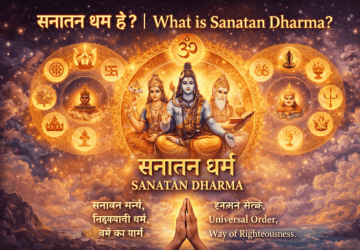
सनातन धर्म क्या है? | What is Sanatan Dharma
in Sanatan KnowledgeAbout this course
यह पाठ्यक्रम “सनातन धर्म क्या है?” विषय पर एक अत्यंत गहन, व्यापक एवं प्रमाणिक अध्ययन प्रस्तुत करता है, जिसमें सनातन धर्म के वास्तविक स्वरूप, उसकी उत्पत्ति, दार्शनिक आधार, आध्यात्मिक सिद्धांत, सांस्कृतिक महत्व तथा मानव जीवन पर उसके प्रभाव को विस्तारपूर्वक समझाया गया है।
“सनातन” का अर्थ है — जो अनादि, अनंत और शाश्वत है, अर्थात जो कभी समाप्त नहीं होता। इस प्रकार सनातन धर्म केवल एक धर्म नहीं, बल्कि एक जीवन जीने की पद्धति (Way of Life) है, जो मानव को सत्य, धर्म, करुणा, अहिंसा, संतुलन और आत्मबोध की ओर मार्गदर्शन करता है।
इस पाठ्यक्रम में धर्म की वास्तविक परिभाषा को स्पष्ट किया गया है, जहाँ धर्म को किसी एक संप्रदाय या पूजा-पद्धति तक सीमित न मानकर, कर्तव्य, नैतिकता और सार्वभौमिक सत्य के रूप में समझाया गया है। इसमें कर्म सिद्धांत (Cause & Effect), पुनर्जन्म (Rebirth), मोक्ष (Liberation), आत्मा (Soul) और परमात्मा (Supreme Consciousness) के संबंध को सरल एवं तार्किक रूप में प्रस्तुत किया गया है।
पाठ्यक्रम में वेद, उपनिषद, पुराण, भगवद गीता जैसे प्राचीन ग्रंथों के माध्यम से सनातन धर्म के मूल सिद्धांतों को समझाया गया है, साथ ही यह भी बताया गया है कि ये सिद्धांत आधुनिक जीवन में किस प्रकार प्रासंगिक हैं।
इसके अतिरिक्त, इस कोर्स में निम्न विषयों को भी विस्तार से सम्मिलित किया गया है:
धर्म, अधर्म और स्वधर्म की स्पष्ट समझ
चार पुरुषार्थ: धर्म, अर्थ, काम और मोक्ष
जीवन के चार आश्रम: ब्रह्मचर्य, गृहस्थ, वानप्रस्थ, संन्यास
योग, ध्यान और आत्मिक शुद्धि का महत्व
प्रकृति और मानव के बीच संतुलन
दैनिक जीवन में सनातन सिद्धांतों का प्रयोग
नैतिकता, संयम और आत्म-विकास
यह पाठ्यक्रम केवल धार्मिक ज्ञान तक सीमित नहीं है, बल्कि यह व्यक्ति के मानसिक, नैतिक और आध्यात्मिक विकास के लिए एक संपूर्ण मार्गदर्शक के रूप में कार्य करता है। यह विद्यार्थियों, जिज्ञासुओं, तथा उन सभी व्यक्तियों के लिए उपयोगी है जो जीवन के गहरे अर्थ को समझना चाहते हैं और एक संतुलित एवं सफल जीवन जीना चाहते हैं।
This course, “What is Sanatan Dharma?”, offers an in-depth, comprehensive, and authentic exploration of the true essence of Sanatan Dharma. It covers its origin, philosophical foundations, spiritual principles, cultural significance, and its profound impact on human life.
The term “Sanatan” means eternal, timeless, and everlasting—something that has no beginning or end. Therefore, Sanatan Dharma is not merely a religion but a way of life that guides individuals toward truth, righteousness, compassion, non-violence, balance, and self-realization.
This course clearly defines the concept of “Dharma,” not as a limited religious practice, but as a universal principle of duty, ethics, and natural law. It explains core concepts such as Karma (the law of cause and effect), Rebirth, Moksha (liberation), the Soul (Atman), and the Supreme Consciousness (Brahman) in a logical and easy-to-understand manner.
Drawing references from ancient scriptures such as the Vedas, Upanishads, Puranas, and the Bhagavad Gita, the course presents the foundational teachings of Sanatan Dharma and explains their relevance in modern life.
Additionally, the course includes detailed insights into:
The true meaning of Dharma, Adharma, and Swadharma
The four Purusharthas: Dharma, Artha, Kama, and Moksha
The four stages of life (Ashramas): Brahmacharya, Grihastha, Vanaprastha, and Sannyasa
The importance of Yoga, meditation, and inner purification
Balance between nature and human life
Practical application of Sanatan principles in daily life
Ethics, discipline, and self-development
This course goes beyond religious teachings and serves as a complete guide for mental, moral, and spiritual growth. It is highly beneficial for students, seekers, and anyone interested in understanding the deeper meaning of life and achieving a balanced and purposeful existence.
Comments (0)
‘धर्म’ शब्द संस्कृत धातु “धृ” से बना है, जिसका अर्थ है — धारण करना, बनाए रखना या संभालना। इस प्रकार धर्म वह सिद्धांत है जो इस सृष्टि, समाज और व्यक्ति के जीवन को संतुलित एवं व्यवस्थित बनाए रखता है। धर्म केवल पूजा-पद्धति, रीति-रिवाज या किसी विशेष संप्रदाय तक सीमित नहीं है, बल्कि यह एक सार्वभौमिक नियम (Universal Law) है जो सत्य, कर्तव्य, नैतिकता और आचरण से जुड़ा हुआ है।
सनातन दृष्टिकोण के अनुसार, धर्म का अर्थ है — वह आचरण जो सत्य, न्याय और समत्व पर आधारित हो तथा जो स्वयं के साथ-साथ समाज और प्रकृति के हित में हो। धर्म व्यक्ति को सही और गलत के बीच अंतर करना सिखाता है तथा उसे एक संतुलित और उत्तरदायी जीवन जीने की प्रेरणा देता है।
धर्म को समझने के लिए यह आवश्यक है कि हम इसे केवल धार्मिक क्रियाओं तक सीमित न रखें, बल्कि इसे जीवन के हर क्षेत्र में लागू होने वाले सिद्धांत के रूप में देखें।
धर्म के प्रमुख आयाम (Dimensions of Dharma):
1. व्यक्तिगत धर्म (Personal Dharma):
यह व्यक्ति के कर्तव्यों, नैतिकता और आचरण से संबंधित है। जैसे — सत्य बोलना, अनुशासन रखना, आत्मसंयम।
2. सामाजिक धर्म (Social Dharma):
यह समाज के प्रति जिम्मेदारियों को दर्शाता है, जैसे — न्याय, सहयोग, सेवा और सद्भाव।
3. प्राकृतिक धर्म (Natural Dharma):
प्रकृति के नियमों के अनुरूप जीवन जीना, जैसे — पर्यावरण संरक्षण, संतुलन बनाए रखना।
4. आध्यात्मिक धर्म (Spiritual Dharma):
आत्मा और परमात्मा के संबंध को समझना तथा आत्मबोध की ओर अग्रसर होना।
धर्म, अधर्म और स्वधर्म:
धर्म: सत्य, न्याय और नैतिकता पर आधारित आचरण
अधर्म: असत्य, अन्याय और अनैतिक कार्य
स्वधर्म: व्यक्ति का अपना कर्तव्य, जो उसकी स्थिति, गुण और भूमिका के अनुसार निर्धारित होता है
धर्म का उद्देश्य:
जीवन में संतुलन और व्यवस्था बनाए रखना
व्यक्ति को नैतिक एवं उत्तरदायी बनाना
समाज में शांति और सद्भाव स्थापित करना
आत्मिक उन्नति एवं मोक्ष की ओर मार्गदर्शन करना
शास्त्रीय संदर्भ (Scriptural Insight):
भगवद गीता में भगवान श्रीकृष्ण कहते हैं कि स्वधर्म का पालन करना सर्वोत्तम है, चाहे वह कठिन ही क्यों न हो। यह दर्शाता है कि धर्म का वास्तविक अर्थ कर्तव्य पालन और सत्य मार्ग पर चलना है।
The term “Dharma” is derived from the Sanskrit root “Dhṛ”, which means to uphold, sustain, or maintain. Dharma refers to the fundamental principle that sustains order, balance, and harmony in the universe, society, and individual life.
Dharma is not limited to religion, rituals, or specific beliefs. Instead, it represents a universal law of righteousness, duty, ethics, and moral conduct. It guides individuals to distinguish between right and wrong and encourages a responsible and balanced way of living.
In the context of Sanatan Dharma, Dharma is defined as the path of truth, justice, and harmony that benefits both the individual and the larger ecosystem, including society and nature.
Dimensions of Dharma:
1. Personal Dharma:
Refers to individual duties, ethics, and self-discipline, such as honesty and self-control.
2. Social Dharma:
Relates to responsibilities toward society, including justice, service, and cooperation.
3. Natural Dharma:
Living in harmony with nature and maintaining ecological balance.
4. Spiritual Dharma:
Understanding the relationship between the soul and the supreme consciousness.
Dharma, Adharma, and Swadharma:
Dharma: Righteous and ethical conduct
Adharma: Unrighteous and unethical actions
Swadharma: One’s personal duty based on role and nature
Purpose of Dharma:
To maintain balance and order in life
To develop moral responsibility
To create harmony in society
To guide towards spiritual growth and liberation
Key Points:
Dharma means sustaining universal order
Not limited to religion or rituals
Based on truth, duty, and ethics
Guides human behavior and decisions
Essential for personal and social harmony
‘सनातन धर्म’ दो शब्दों से मिलकर बना है — ‘सनातन’ और ‘धर्म’।
‘सनातन’ का अर्थ है — जो अनादि, अनंत और शाश्वत है, अर्थात जिसका न कोई प्रारंभ है और न ही कोई अंत। ‘धर्म’ का अर्थ है — धारण करने वाला सिद्धांत, जो जीवन, समाज और सृष्टि को संतुलित एवं व्यवस्थित बनाए रखता है।
इस प्रकार, सनातन धर्म का अर्थ है — वह शाश्वत सत्य और जीवन पद्धति, जो सृष्टि के आरंभ से विद्यमान है और सदैव बनी रहेगी। यह किसी एक समय, स्थान या व्यक्ति द्वारा स्थापित नहीं किया गया, बल्कि यह प्राकृतिक एवं सार्वभौमिक नियमों पर आधारित है।
सनातन धर्म को केवल एक ‘धर्म’ या ‘रिलिजन’ के रूप में समझना सीमित दृष्टिकोण है। वास्तव में यह एक समग्र जीवन दर्शन (Holistic Philosophy of Life) है, जो मानव को सत्य, धर्म, करुणा, अहिंसा, संयम, कर्तव्य और आत्मबोध की ओर मार्गदर्शन करता है।
सनातन धर्म की विशेषताएँ:
1. शाश्वतता (Eternal Nature):
यह धर्म समय के साथ बदलता नहीं, बल्कि सदैव प्रासंगिक रहता है।
2. सार्वभौमिकता (Universality):
यह किसी जाति, वर्ग, देश या संप्रदाय तक सीमित नहीं है, बल्कि समस्त मानवता के लिए है।
3. लचीलापन (Flexibility):
सनातन धर्म विभिन्न विचारों, मान्यताओं और मार्गों को स्वीकार करता है।
4. आध्यात्मिकता (Spiritual Depth):
यह आत्मा, परमात्मा और जीवन के गहरे रहस्यों को समझने पर बल देता है।
सनातन धर्म: एक जीवन पद्धति
सनातन धर्म मनुष्य को यह सिखाता है कि वह अपने जीवन को कैसे संतुलित, नैतिक एवं सार्थक बनाए। यह केवल पूजा-पद्धति तक सीमित नहीं है, बल्कि इसमें जीवन के हर पहलू — विचार, आचरण, व्यवहार और कर्तव्य — शामिल होते हैं।
मुख्य सिद्धांत (Core Principles):
सत्य (Truth)
अहिंसा (Non-violence)
धर्म (Righteousness)
कर्म (Action and Responsibility)
मोक्ष (Liberation)
ग्रंथों में वर्णन:
वेद, उपनिषद, भगवद गीता एवं पुराणों में सनातन धर्म के सिद्धांतों का विस्तार से वर्णन मिलता है। इन ग्रंथों में जीवन के उद्देश्य, आत्मा का स्वरूप तथा परम सत्य की प्राप्ति के मार्ग को स्पष्ट किया गया है।
The term “Sanatan Dharma” is composed of two words — Sanatan and Dharma.
“Sanatan” means eternal, timeless, and everlasting — that which has neither a beginning nor an end. “Dharma” refers to the principle that sustains and maintains balance in the universe, society, and individual life.
Thus, Sanatan Dharma represents the eternal truth and universal way of life that has existed since the beginning of creation and will continue indefinitely. It is not founded by any single individual or confined to a particular period; rather, it is based on universal natural laws.
Sanatan Dharma is often misunderstood as merely a religion. In reality, it is a holistic philosophy of life that guides individuals toward truth, righteousness, compassion, discipline, and self-realization.
Key Characteristics of Sanatan Dharma:
1. Eternal Nature:
It remains relevant across all times.
2. Universality:
It applies to all humanity, beyond boundaries of caste, religion, or geography.
3. Flexibility:
It embraces diverse paths, beliefs, and practices.
4. Spiritual Depth:
It focuses on understanding the soul, the universe, and the supreme reality.
Sanatan Dharma as a Way of Life:
Sanatan Dharma is not limited to rituals; it provides a complete framework for living a balanced, ethical, and meaningful life. It governs thoughts, actions, behavior, and responsibilities.
Core Principles:
Truth
Non-violence
Righteousness
Karma (Action & Consequence)
Moksha (Liberation)
Key Points:
Sanatan means eternal and timeless
Not just a religion, but a way of life
Based on universal principles
Applicable to all humanity
Focuses on spiritual growth and balance
‘कर्म’ का अर्थ है — किया गया प्रत्येक कार्य, चाहे वह शारीरिक हो, मानसिक हो या वाचिक (वाणी से संबंधित)। सनातन धर्म के अनुसार, प्रत्येक कर्म का एक निश्चित परिणाम होता है, जिसे कर्मफल कहा जाता है। यही सिद्धांत “जैसा करोगे, वैसा भरोगे” के रूप में जाना जाता है।
कर्म का सिद्धांत यह बताता है कि मनुष्य अपने वर्तमान और भविष्य का निर्माता स्वयं है। उसके द्वारा किए गए अच्छे या बुरे कर्म ही उसके जीवन की परिस्थितियों को निर्धारित करते हैं। यह सिद्धांत केवल इस जन्म तक सीमित नहीं है, बल्कि यह पुनर्जन्म (Rebirth) के साथ भी जुड़ा हुआ है।
सनातन दर्शन के अनुसार, कोई भी कर्म बिना फल के नहीं रहता। हर कर्म का परिणाम निश्चित रूप से मिलता है — चाहे वह तुरंत मिले या भविष्य में।
कर्म के प्रकार (Types of Karma):
1. संचित कर्म (Sanchit Karma):
यह वे सभी कर्म हैं जो व्यक्ति ने अपने पिछले जन्मों में किए हैं और जिनका फल अभी प्राप्त नहीं हुआ है।
2. प्रारब्ध कर्म (Prarabdha Karma):
यह संचित कर्मों का वह भाग है, जिसका फल व्यक्ति वर्तमान जीवन में भोग रहा होता है।
3. क्रियमाण कर्म (Kriyaman Karma):
यह वे कर्म हैं जो व्यक्ति वर्तमान में कर रहा है, और जो भविष्य को प्रभावित करेंगे।
कर्म और पुनर्जन्म का संबंध:
कर्म सिद्धांत के अनुसार, आत्मा अमर होती है और शरीर नश्वर। जब एक जीवन समाप्त होता है, तो आत्मा अपने कर्मों के आधार पर नया शरीर धारण करती है। इस प्रकार कर्म और पुनर्जन्म एक दूसरे से जुड़े हुए हैं।
निष्काम कर्म (Selfless Action):
भगवद गीता में श्रीकृष्ण ने निष्काम कर्म का उपदेश दिया है, जिसका अर्थ है — बिना फल की इच्छा के अपने कर्तव्य का पालन करना। ऐसा कर्म मनुष्य को बंधनों से मुक्त करता है और मोक्ष की ओर ले जाता है।
कर्म का उद्देश्य:
व्यक्ति को उत्तरदायी बनाना
नैतिक जीवन जीने की प्रेरणा देना
अच्छे कर्मों के लिए प्रोत्साहित करना
आत्मिक विकास एवं मोक्ष की दिशा में मार्गदर्शन
शास्त्रीय दृष्टिकोण:
भगवद गीता के अनुसार —
“मनुष्य को केवल कर्म करने का अधिकार है, फल पर नहीं।”
यह सिद्धांत कर्म के प्रति समर्पण और फल के प्रति वैराग्य सिखाता है।
The term “Karma” refers to every action performed by an individual, whether physical, mental, or verbal. According to Sanatan Dharma, every action produces a corresponding result, known as Karma Phala (fruit of action). This principle is often summarized as “as you sow, so shall you reap.”
The law of karma states that an individual is responsible for shaping their present and future through their actions. Good actions lead to positive outcomes, while negative actions result in adverse consequences. This principle extends beyond a single lifetime and is closely connected with the concept of rebirth.
According to this philosophy, no action goes without consequence. Every action yields a result, either immediately or in the future.
Types of Karma:
1. Sanchita Karma:
Accumulated actions from past lives whose results are yet to be experienced.
2. Prarabdha Karma:
The portion of accumulated karma that is currently being experienced in this life.
3. Kriyaman Karma:
Actions being performed in the present, which will influence the future.
Karma and Rebirth:
The soul is eternal, while the body is temporary. Based on accumulated karma, the soul takes birth in different forms. Thus, karma directly influences the cycle of rebirth.
Nishkama Karma (Selfless Action):
The Bhagavad Gita emphasizes performing duties without attachment to the results. Such selfless actions मुक्त the individual from bondage and lead toward liberation (Moksha).
Purpose of Karma:
To promote responsibility
To encourage ethical behavior
To guide individuals toward righteous actions
To support spiritual growth and liberation
Key Points:
Karma means action and its consequences
Every action has a result
Influences present and future life
Connected with rebirth
Selfless action leads to liberation
सनातन धर्म के अनुसार आत्मा (Soul) अजर-अमर, शाश्वत और अविनाशी है, जबकि शरीर नश्वर और परिवर्तनशील है। जब शरीर का अंत होता है, तब आत्मा अपने संचित कर्मों के आधार पर नया शरीर धारण करती है — इसी प्रक्रिया को पुनर्जन्म (Rebirth) कहा जाता है।
पुनर्जन्म का सिद्धांत कर्म सिद्धांत से गहराई से जुड़ा हुआ है। मनुष्य के द्वारा किए गए प्रत्येक कर्म का प्रभाव उसकी आगामी जन्मों की परिस्थितियों पर पड़ता है। अच्छे कर्म उच्च अवस्था की ओर ले जाते हैं, जबकि बुरे कर्म दुःख और निम्न अवस्थाओं का कारण बनते हैं।
यह जन्म-मरण का चक्र “संसार चक्र (Cycle of Life and Death)” कहलाता है, जिसमें आत्मा तब तक घूमती रहती है जब तक वह अपने कर्मों के बंधनों से मुक्त नहीं हो जाती।
पुनर्जन्म (Rebirth):
पुनर्जन्म का अर्थ है — आत्मा का एक शरीर छोड़कर दूसरे शरीर में प्रवेश करना। यह प्रक्रिया तब तक चलती रहती है जब तक आत्मा अपने सभी कर्मों के फल से मुक्त नहीं हो जाती।
मुख्य बिंदु:
आत्मा अमर है, शरीर नश्वर
कर्मों के आधार पर अगला जन्म मिलता है
जन्म-मरण का चक्र निरंतर चलता रहता है
जीवन का उद्देश्य इस चक्र से मुक्ति पाना है
मोक्ष (Moksha):
मोक्ष का अर्थ है — जन्म और मृत्यु के इस चक्र से पूर्ण मुक्ति प्राप्त करना। यह वह अवस्था है, जहाँ आत्मा अपने वास्तविक स्वरूप को पहचान लेती है और परमात्मा (ब्रह्म) में लीन हो जाती है।
मोक्ष को जीवन का परम लक्ष्य माना गया है, क्योंकि यह सभी प्रकार के दुःखों, बंधनों और अज्ञान से मुक्ति प्रदान करता है।
मोक्ष प्राप्ति के मार्ग (Paths to Moksha):
1. ज्ञान योग (Path of Knowledge):
आत्मा और परमात्मा के सत्य ज्ञान के माध्यम से मुक्ति प्राप्त करना।
2. कर्म योग (Path of Action):
निष्काम कर्म (फल की इच्छा बिना) के माध्यम से मुक्ति प्राप्त करना।
3. भक्ति योग (Path of Devotion):
ईश्वर के प्रति पूर्ण श्रद्धा और समर्पण द्वारा मोक्ष प्राप्त करना।
4. राज योग (Path of Meditation):
ध्यान और आत्मसंयम के माध्यम से आत्मबोध प्राप्त करना।
मोक्ष का महत्व:
जन्म-मरण के चक्र से मुक्ति
सभी दुःखों से छुटकारा
आत्मिक शांति और आनंद
परम सत्य की प्राप्ति
शास्त्रीय दृष्टिकोण:
भगवद गीता में कहा गया है कि जो व्यक्ति आत्मा और परमात्मा के सत्य को समझ लेता है, वह जन्म और मृत्यु के चक्र से मुक्त होकर मोक्ष को प्राप्त करता है।
According to Sanatan Dharma, the soul (Atman) is eternal, indestructible, and beyond time, while the physical body is temporary and subject to change. When the body dies, the soul takes on a new body based on accumulated karma — this process is known as rebirth (reincarnation).
Rebirth is closely connected with the law of karma. Every action performed by an individual influences the circumstances of future births. Good actions lead to favorable conditions, while negative actions result in suffering.
This continuous cycle of birth and death is known as the cycle of samsara, which continues until the soul is freed from all karmic bonds.
Rebirth:
Rebirth refers to the transition of the soul from one body to another. This process continues until all karmic consequences are resolved.
Key Points:
Soul is eternal, body is temporary
Next birth depends on karma
Continuous cycle of life and death
Ultimate goal is liberation
Moksha (Liberation):
Moksha is the state of ultimate liberation from the cycle of birth and death. It is the realization of the true nature of the soul and its union with the Supreme Consciousness (Brahman).
Moksha is considered the highest goal of human life, as it brings freedom from suffering, ignorance, and attachment.
Paths to Moksha:
1. Jnana Yoga (Knowledge):
Attaining liberation through true knowledge.
2. Karma Yoga (Action):
Performing selfless actions without attachment.
3. Bhakti Yoga (Devotion):
Devotion and surrender to God.
4. Raja Yoga (Meditation):
Self-discipline and meditation for self-realization.
Importance of Moksha:
Freedom from cycle of rebirth
Liberation from suffering
Attainment of inner peace
Realization of ultimate truth
Key Points:
Soul is eternal
Rebirth is based on karma
Life is a cycle (Samsara)
Moksha is ultimate goal
Multiple paths to liberation
सनातन धर्म का विकास अत्यंत प्राचीन काल से होता आया है, जिसकी जड़ें वैदिक काल (Vedic Period) में निहित हैं। वैदिक काल को भारतीय सभ्यता और संस्कृति का आधार माना जाता है, जहाँ से ज्ञान, धर्म, आचार-विचार और आध्यात्मिक परंपराओं का प्रारंभ हुआ।
वैदिक काल में चारों वेद — ऋग्वेद, यजुर्वेद, सामवेद और अथर्ववेद — की रचना हुई, जिनमें जीवन के सभी पहलुओं से संबंधित ज्ञान निहित है। इन वेदों में प्रकृति, देवताओं, यज्ञ, मंत्र, तथा आध्यात्मिक सिद्धांतों का विस्तृत वर्णन मिलता है।
प्रारंभिक वैदिक काल में मनुष्य का जीवन प्रकृति के साथ संतुलित एवं सरल था। लोग अग्नि, वायु, सूर्य, इंद्र आदि प्राकृतिक शक्तियों की उपासना करते थे, जिन्हें देवताओं के रूप में सम्मान दिया गया। यह उपासना केवल धार्मिक क्रिया नहीं थी, बल्कि प्रकृति के प्रति कृतज्ञता और संतुलन बनाए रखने का माध्यम थी।
समय के साथ वैदिक ज्ञान का विस्तार हुआ और उपनिषदों, ब्राह्मण ग्रंथों तथा आरण्यकों का विकास हुआ। इन ग्रंथों में बाहरी अनुष्ठानों (Rituals) से आगे बढ़कर आत्मा, ब्रह्म, और जीवन के गहरे दार्शनिक प्रश्नों पर विचार किया गया।
इसी काल में धर्म का स्वरूप और अधिक व्यापक हुआ और यह केवल यज्ञ एवं कर्मकांड तक सीमित न रहकर आध्यात्मिक ज्ञान, आत्मबोध और मोक्ष की ओर अग्रसर हुआ।
वैदिक काल की प्रमुख विशेषताएँ:
वेदों की रचना और ज्ञान का संकलन
प्रकृति एवं देवताओं की उपासना
यज्ञ और मंत्रों का महत्व
सरल एवं संतुलित जीवन शैली
समाज में नैतिकता और धर्म का पालन
सनातन धर्म का विकास:
वैदिक काल के बाद सनातन धर्म में कई परिवर्तन एवं विस्तार हुए:
उपनिषदों में दार्शनिक विचारों का विकास
आत्मा और ब्रह्म के संबंध की व्याख्या
योग, ध्यान और तप का महत्व बढ़ा
पुराणों के माध्यम से धर्म का जनसामान्य में प्रसार
विभिन्न मार्गों (भक्ति, ज्ञान, कर्म) का विकास
इस प्रकार सनातन धर्म समय के साथ विकसित होता हुआ एक समग्र एवं जीवंत जीवन दर्शन बन गया।
आधुनिक संदर्भ में महत्व:
आज भी वैदिक ज्ञान और सनातन धर्म के सिद्धांत मानव जीवन को दिशा देने में महत्वपूर्ण भूमिका निभाते हैं। यह हमें संतुलित जीवन, नैतिक आचरण और आध्यात्मिक उन्नति की प्रेरणा देता है।
The roots of Sanatan Dharma can be traced back to the Vedic Period, which forms the foundation of Indian civilization, culture, and spiritual knowledge. This era marked the origin of profound philosophical insights, ethical values, and religious practices.
During the Vedic period, the four Vedas — Rigveda, Yajurveda, Samaveda, and Atharvaveda — were composed. These texts contain comprehensive knowledge about nature, rituals, mantras, cosmic order, and spiritual principles.
In the early Vedic phase, life was simple and deeply connected with nature. Natural forces such as fire (Agni), wind (Vayu), sun (Surya), and rain (Indra) were revered as deities. This worship reflected gratitude and respect toward nature rather than mere ritualistic practices.
Over time, Vedic knowledge evolved further through the development of the Upanishads, Brahmanas, and Aranyakas. These texts shifted the focus from external rituals to deeper philosophical inquiries about the soul (Atman), the ultimate reality (Brahman), and the purpose of life.
Thus, Sanatan Dharma evolved from ritual-based practices to a more profound spiritual and philosophical system emphasizing self-realization and liberation.
Key Features of the Vedic Period:
Composition of the Vedas
Worship of natural forces
Importance of yajnas and mantras
Simple and balanced lifestyle
Strong emphasis on ethics and duty
Evolution of Sanatan Dharma:
Development of philosophical thought in Upanishads
Understanding of Atman and Brahman
Rise of yoga, meditation, and ascetic practices
Spread of teachings through Puranas
Emergence of different spiritual paths (Bhakti, Jnana, Karma)
Key Points:
Origin rooted in the Vedic period
Vedas as foundational texts
Evolution from rituals to philosophy
Emphasis on self-realization
Continued relevance in modern life
सनातन धर्म केवल एक धार्मिक विचार या सिद्धांत नहीं है, बल्कि यह एक जीवन जीने की संपूर्ण पद्धति है, जिसे दैनिक जीवन में अपनाकर व्यक्ति अपने जीवन को संतुलित, अनुशासित एवं सार्थक बना सकता है। यह मनुष्य को उसके कर्तव्यों, नैतिक मूल्यों और आध्यात्मिक उन्नति के मार्ग पर चलने की प्रेरणा देता है।
दैनिक जीवन में सनातन धर्म का पालन करने का अर्थ है — अपने विचार, व्यवहार और कर्म को सत्य, धर्म, करुणा, अहिंसा और संयम के सिद्धांतों के अनुरूप बनाना। यह केवल पूजा-पाठ तक सीमित नहीं है, बल्कि हर कार्य में धर्म का पालन करना ही वास्तविक सनातन जीवन शैली है।
दैनिक जीवन में सनातन धर्म के प्रमुख आयाम:
1. सत्य और नैतिकता का पालन:
सत्य बोलना, ईमानदारी से कार्य करना और नैतिक मूल्यों का पालन करना सनातन धर्म का मूल आधार है।
2. कर्तव्य (Duty) का पालन:
प्रत्येक व्यक्ति को अपने परिवार, समाज और राष्ट्र के प्रति अपने कर्तव्यों का पालन करना चाहिए।
3. प्रकृति के प्रति सम्मान:
वृक्षों, नदियों, पशु-पक्षियों एवं पर्यावरण का संरक्षण करना सनातन धर्म का महत्वपूर्ण अंग है।
4. संयम और अनुशासन:
इंद्रियों पर नियंत्रण, संतुलित आहार-विहार और अनुशासित जीवन शैली अपनाना।
5. योग और ध्यान:
शारीरिक एवं मानसिक संतुलन के लिए योग और ध्यान का अभ्यास करना।
6. सेवा और करुणा:
दूसरों की सहायता करना, दान देना और समाज के कमजोर वर्गों की सेवा करना।
आध्यात्मिक अभ्यास (Spiritual Practices):
प्रातःकाल उठकर ध्यान एवं प्रार्थना करना
माता-पिता एवं गुरु का सम्मान करना
नियमित रूप से सत्संग एवं स्वाध्याय करना
सकारात्मक विचारों को अपनाना
जीवन में संतुलन का महत्व:
सनातन धर्म यह सिखाता है कि जीवन के भौतिक (Material) और आध्यात्मिक (Spiritual) दोनों पहलुओं में संतुलन बनाए रखना आवश्यक है। केवल भौतिक सुखों की प्राप्ति ही पर्याप्त नहीं है, बल्कि आत्मिक शांति और संतोष भी उतना ही महत्वपूर्ण है।
दैनिक जीवन में पालन के लाभ:
मानसिक शांति और संतुलन
नैतिक एवं जिम्मेदार व्यक्तित्व का विकास
सामाजिक सद्भाव और सहयोग
आत्मिक उन्नति एवं आंतरिक संतोष
जीवन में सकारात्मकता और उद्देश्य
Sanatan Dharma is not merely a religious concept but a complete way of life that can be applied in daily living to achieve balance, discipline, and purpose. It guides individuals to align their thoughts, actions, and behavior with principles such as truth, righteousness, compassion, non-violence, and self-control.
Practicing Sanatan Dharma in daily life means living with awareness, responsibility, and ethical integrity. It is not limited to rituals but is reflected in every action and decision.
Key Aspects in Daily Life:
1. Truth and Ethics:
Speaking truth, maintaining honesty, and following moral values.
2. Duty (Dharma):
Fulfilling responsibilities toward family, society, and nation.
3. Respect for Nature:
Protecting environment, animals, and natural resources.
4. Discipline and Self-Control:
Maintaining control over senses and living a balanced lifestyle.
5. Yoga and Meditation:
Practicing yoga and meditation for physical and mental well-being.
6. Service and Compassion:
Helping others, charity, and supporting those in need.
Spiritual Practices:
Daily prayer and meditation
Respect for parents and teachers
Self-study and positive thinking
Participation in spiritual learning
Importance of Balance:
Sanatan Dharma emphasizes maintaining balance between material and spiritual life. True fulfillment comes not only from external success but also from inner peace and self-realization.
Key Points:
Sanatan Dharma is a way of life
Applicable in everyday actions
Promotes discipline and ethics
Encourages balance and harmony
Leads to inner peace and growth